Linux Server Installation

Linux Server Installation


Youtube


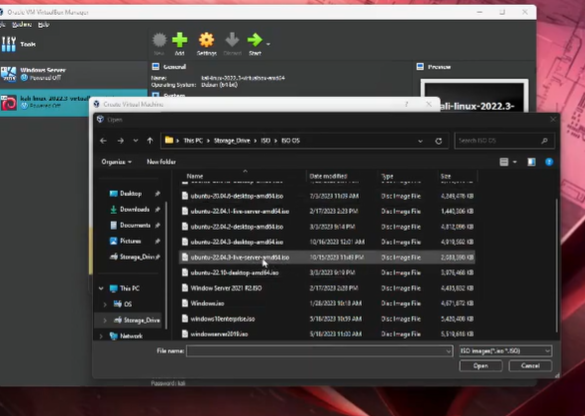
In the lab, we are going to install a Linux Server on a virtual box. Go to the Linux site and download the ISO for installation.


https://ubuntu.com/download/server
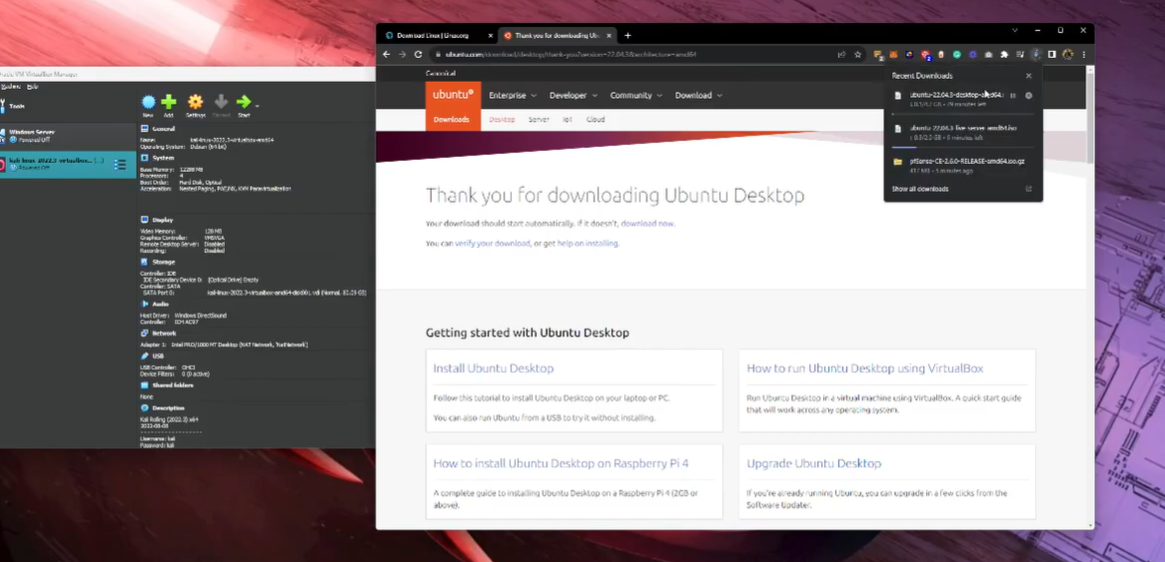


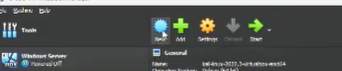
Once you have downloaded the ISO, go to the virtual box and start a new virtual machine.


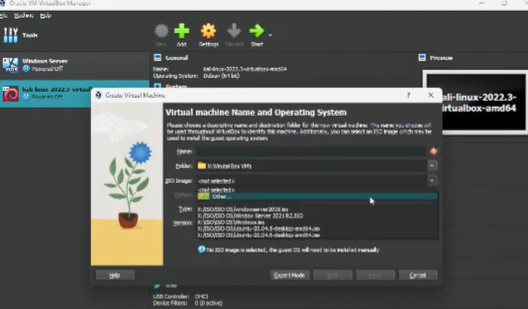
Name your machine and choose the ISO you downloading for installation.

Choose your RAM and CPU settings.


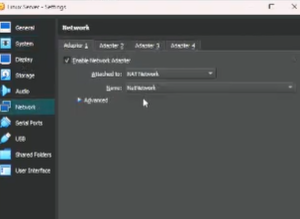
Change your network to “ NAT NETWORK”.


Launch your new machine and follow the installation.


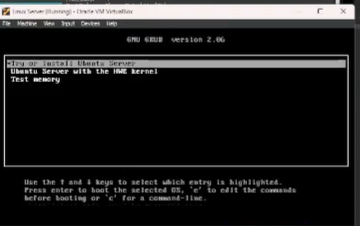
Choose the first option. Install Ubuntu Server.

Once you finish installation it will restart. Make sure to remove the ISO disk so you do not go through the installation process again. You will be prompted to log in with the username and password you created during the installation. 


This completes the Linux Server installation.


Comments

Popular posts from this blog

Nmap Scan

  Nmap scan Youtube If you missed the first part of setting up the virtual machines and ping, do this part first before attempting to scan the devices on the network. https://toukeevang.blogspot.com/2023/10/3-vm-ping-connection-in-this-project-we.html We first going to start with an ARP scan to get the device's IP address. On your Kali virtual machine, open the terminal and type the following command. > nmap -PR -sn 10.0.2.0/24 nmap = is the tool we are using followed by some options within the tool. -PR = P is for ping, R is for randomize  -sn = ping scan no port x.x.x.x = your target IP address This next scan is to test websites and get the known IP address for the website. For this scan, you need to use the escalated privilege “ sudo “.  > sudo nmap -PE -sn scanme.nmap.org sudo = escalated privilege nmap = tool use -PE = sends ICMP packet only to get responses back -sn = ping scan no ports Scanme.nmap.org = target We are going to copy the IP addresses of the virt...

Linux ls Command

  Linux ls Command Youtube Video: Linux ls command Description: ls lists the file that is in that directory along with file size, owner, and modification.  Syntax: ls [option] [file/location] Help / Manual: You can input “man” in front of the ls command to get help. You can also type “ ls –help “ to get the short version of the manual. Options: These are the options that you can use with the “ ls “ command to add additional features to your search. You can always check the reference below for more information on the “ ls “ command. Learning the basics of “ ls “ will get you started to list the files in that directory. References:  https://www.computerhope.com/unix/uls.htm https://www.linuxdoc.org/LDP/LG/issue48/fischer.html https://www.geeksforgeeks.org/ls-command-in-linux/

Kali Installation

  Kali Installation Youtube In this blog, we are going how to install Kali on to virtual box. The first step is to go to the Kali website and download the ISO for installation.  https://www.kali.org/get-kali/#kali-virtual-machines Once you have downloaded the ISO, make sure you have a tool to unzip the compressed file. You down download 7-zip for free. https://www.7-zip.org/ Download the version for your operating system and install 7-zip. Once you have finished installing 7-zip you will be able to unzip the compressed file. Find the file you downloaded from Kali and right-click choose more option if you do not see 7-zip. You can choose where you would like your extracted file to be stored. In this case, I choose to extract the file in this location. Once you extract the compressed file you will see another file called kali-linux-XXX.Xvirtualbox-amd.ova Double-click on that file and it will import the Kali operating system into the virtual box.  Choose the RAM and CPU set...